Domain the-recall.de kaufen?
Wir ziehen mit dem Projekt
the-recall.de um.
Sind Sie am Kauf der Domain
the-recall.de interessiert?
domain@kv-gmbh.de · 0541-91531010
Domain the-recall.de kaufen?
Was sind Signalwörter für Conditional 1 und Conditional 2?
Signalwörter für Conditional 1 sind zum Beispiel "if", "when" und "unless". Sie zeigen an, dass eine Bedingung erfüllt werden muss, um eine bestimmte Handlung auszulösen. Signalwörter für Conditional 2 sind zum Beispiel "would", "could" und "might". Sie zeigen an, dass eine hypothetische Bedingung in der Vergangenheit erfüllt werden müsste, um eine bestimmte Handlung auszulösen. **
Wann benutze ich Conditional 1?
Conditional 1 wird verwendet, um über mögliche zukünftige Handlungen oder Ereignisse zu sprechen, die wahrscheinlich eintreten werden. Es wird benutzt, wenn die Bedingung für das Eintreten der Handlung als realistisch oder möglich angesehen wird. Zum Beispiel: "Wenn es regnet, werde ich meinen Regenschirm mitnehmen." Es wird auch verwendet, um Ratschläge oder Empfehlungen zu geben, wie in dem Satz: "Wenn du früh aufstehst, wirst du den Sonnenaufgang sehen." In der Conditional 1-Struktur wird der Satz mit "if" eingeleitet, gefolgt von der Gegenwartsform des Verbs im Hauptsatz. **


Ähnliche Suchbegriffe für Conditional
Top-Angebote
Produkte zum Begriff Conditional:
-
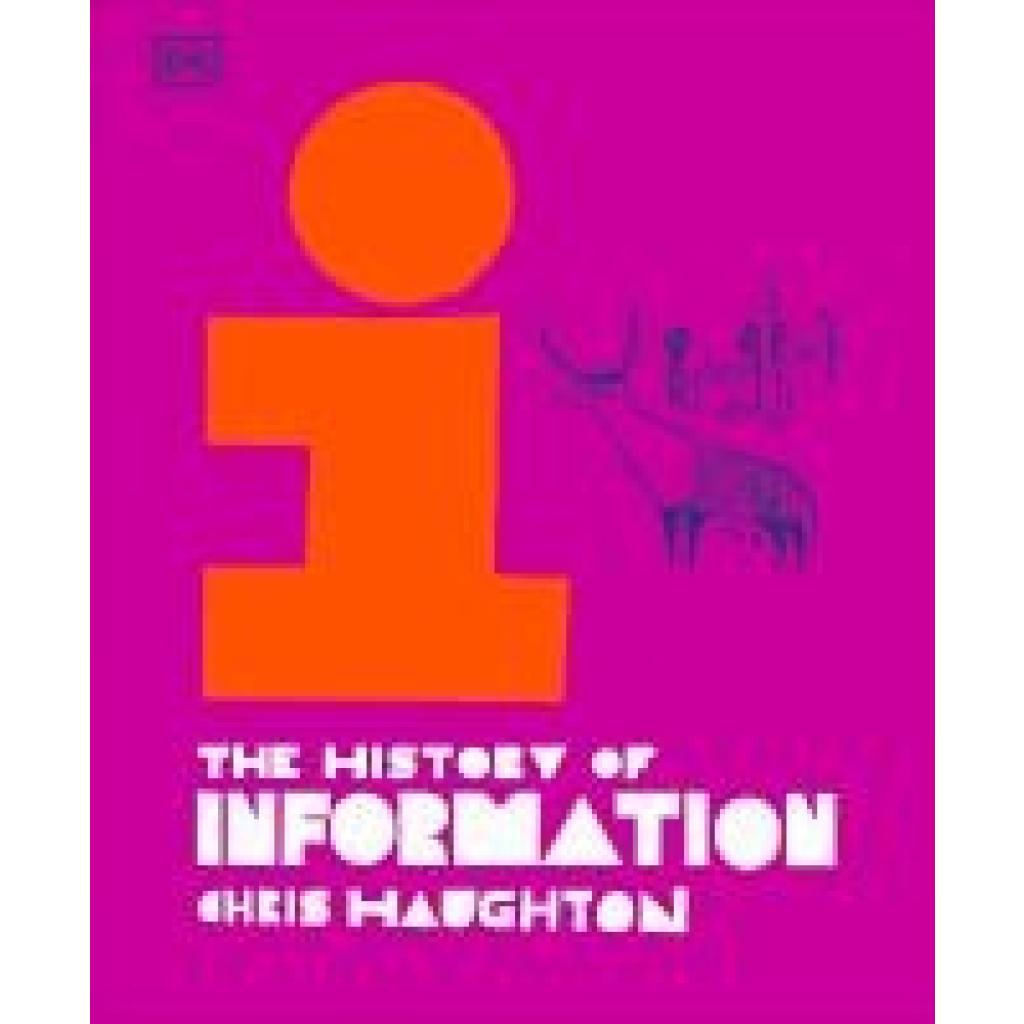
Haughton, Chris: The History of InformationThe History of Information , A journey through the evolution of knowledge, communication, and information. The debut non-fiction book by best-selling author Chris Haughton. History, as it is often taught, is a list of kings and queens and treaties and events. It presents the what and when, but it rarely asks why. Why is it that we had kings and queens at all? Why then all of a sudden did we abandon them and shift to democracies? Why did the world's religions rise around the same time? Why is society dominated by men? The answers all come down to the same thing: information. The striving to share information, and - at the same time - the striving to undermine it, explains so much of today's world and connects so many seemingly unconnected things: the rise of religions, states, science, democracy, the west, militarism, racism, fascism, consumerism, big tech, polarisation, and AI. This history of information is closely connected to the history of visual communication - and as these two are largely the same - it makes sense to tell this story visually: a history of graphics told through graphics. The History of Information , through a mix of timelines, graphics, and illustrations, clearly breaks down and explains each concept for children and adults alike. The History of Information includes: A beautiful look at the story of information; from the first languages and cave paintings, through to how we communicate and record information today. Content written and illustrated by world famous and multi-award winning author and illustrator, Chris Haughton. A global journey throughout history from the origination of language, how information has been passed on and recorded, and how this affected humanity. , > , Erscheinungsjahr: 20240905, Produktform: Leinen, Autoren: Haughton, Chris, Seitenzahl/Blattzahl: 144, Themenüberschrift: JUVENILE NONFICTION / Technology / How Things Work-Are Made, Keyword: fact books for kids age 10-12; fact book for kids; fact books for kids age 8-10; kids fact books age 9 12; kids fact books; non fiction books for teenagers; non fiction books; general knowledge books; books for kids 9-12; encyclopedia for children; children's encyclopedia; curious minds book for kids; britannica children's encyclopedia; science encyclopedia for kids; children's encyclopedia age 10; non fiction books for kids 9-12; non fiction books for 7 year olds; children's encyclopedia age 7-9; children's history books; kids history books age 7; kids encyclopedia; science books for kids, Fachschema: EDV / Kindersachbuch, Jugendsachbuch~Englische Bücher / Kinderliteratur, Jugendliteratur / Sachbuch~Geschichte / Kindersachbuch, Jugendsachbuch~Technik / Kindersachbuch, Fachkategorie: Kinder/Jugendliche: Sachbuch: Geschichte, Altersempfehlung / Lesealter: 18, ab Alter: 9, bis Alter: 12, Imprint-Titels: DK Children, Warengruppe: HC/Kinderbücher/Sachbücher/Naturwissensch./Technik, UNSPSC: 49019900, Warenverzeichnis für die Außenhandelsstatistik: 49019900, Länge: 286, Breite: 236, Höhe: 22, Gewicht: 1008, Produktform: Gebunden, Genre: Importe,21,97 €*Versand: 0,00 €Sichere Weiterleitung zum Anbieter



-
Wann wird Conditional 1 verwendet?
Wann wird Conditional 1 verwendet? **
-
Wie wird das Conditional 1 gebildet?
Das Conditional 1 wird im Englischen gebildet, indem man das Hilfsverb "would" mit der Grundform des Verbs kombiniert. Es wird verwendet, um über mögliche Handlungen oder Ereignisse in der Zukunft zu sprechen, die von einer Bedingung abhängen. Die Bedingung wird mit "if" eingeleitet. Zum Beispiel: "If it rains, I would bring an umbrella." Das Conditional 1 wird auch verwendet, um höfliche Bitten oder Vorschläge auszudrücken. **
-
Wie wird das Conditional 3 gebildet?
Das Conditional 3 wird im Englischen gebildet, indem man das Hilfsverb "would have" verwendet, gefolgt von dem Past Participle des Verbs. Es wird verwendet, um über eine hypothetische Handlung in der Vergangenheit zu sprechen, die nicht eingetreten ist. Zum Beispiel: "If I had studied harder, I would have passed the exam." In dieser Konstruktion wird die Bedingung im Past Perfect und das Ergebnis im Conditional Perfect ausgedrückt. Es wird oft verwendet, um Bedauern oder Reue über vergangene Handlungen auszudrücken. **
-
Wie wird das Conditional 2 gebildet?
Das Conditional 2 wird im Englischen gebildet, indem man das Hilfsverb "would" mit der Grundform des Verbs kombiniert. Zum Beispiel: "If I had more time, I would travel around the world." Hier wird die Vergangenheitsform des Hilfsverbs "had" mit der Grundform des Verbs "travel" kombiniert. Das Conditional 2 wird verwendet, um über hypothetische Situationen in der Gegenwart oder Zukunft zu sprechen, die unwahrscheinlich oder unrealistisch sind. Es drückt eine Bedingung aus, die nicht erfüllt ist oder nicht erfüllt werden kann. Das Conditional 2 wird oft in Kombination mit Bedingungssätzen verwendet, die mit "if" eingeleitet werden. **
Zu welchem Conditional Clause gehört das Wetter?
Das Wetter gehört zum Conditional Clause Typ 1, da es sich um eine reale Bedingung handelt, die in der Zukunft eintreten kann. Beispiel: Wenn es regnet, werde ich einen Regenschirm mitnehmen. **
Wie unterscheidet man den Conditional 1 und 2?
Der Conditional 1 wird verwendet, um über wahrscheinliche oder mögliche Ereignisse in der Zukunft zu sprechen, die von einer Bedingung abhängen. Er wird mit dem Präsens im Hauptsatz und dem Futur im Nebensatz gebildet. Der Conditional 2 hingegen wird verwendet, um über unrealistische oder unwahrscheinliche Ereignisse in der Gegenwart oder Zukunft zu sprechen, die von einer Bedingung abhängen. Er wird mit dem Präteritum im Hauptsatz und dem Konditional im Nebensatz gebildet. Insgesamt ist der Conditional 1 also realistischer und wahrscheinlicher als der Conditional 2. **
Top-Angebote
Produkte zum Begriff Conditional:
-
Haughton, Chris: The History of InformationThe History of Information , A journey through the evolution of knowledge, communication, and information. The debut non-fiction book by best-selling author Chris Haughton. History, as it is often taught, is a list of kings and queens and treaties and events. It presents the what and when, but it rarely asks why. Why is it that we had kings and queens at all? Why then all of a sudden did we abandon them and shift to democracies? Why did the world's religions rise around the same time? Why is society dominated by men? The answers all come down to the same thing: information. The striving to share information, and - at the same time - the striving to undermine it, explains so much of today's world and connects so many seemingly unconnected things: the rise of religions, states, science, democracy, the west, militarism, racism, fascism, consumerism, big tech, polarisation, and AI. This history of information is closely connected to the history of visual communication - and as these two are largely the same - it makes sense to tell this story visually: a history of graphics told through graphics. The History of Information , through a mix of timelines, graphics, and illustrations, clearly breaks down and explains each concept for children and adults alike. The History of Information includes: A beautiful look at the story of information; from the first languages and cave paintings, through to how we communicate and record information today. Content written and illustrated by world famous and multi-award winning author and illustrator, Chris Haughton. A global journey throughout history from the origination of language, how information has been passed on and recorded, and how this affected humanity. , > , Erscheinungsjahr: 20240905, Produktform: Leinen, Autoren: Haughton, Chris, Seitenzahl/Blattzahl: 144, Themenüberschrift: JUVENILE NONFICTION / Technology / How Things Work-Are Made, Keyword: fact books for kids age 10-12; fact book for kids; fact books for kids age 8-10; kids fact books age 9 12; kids fact books; non fiction books for teenagers; non fiction books; general knowledge books; books for kids 9-12; encyclopedia for children; children's encyclopedia; curious minds book for kids; britannica children's encyclopedia; science encyclopedia for kids; children's encyclopedia age 10; non fiction books for kids 9-12; non fiction books for 7 year olds; children's encyclopedia age 7-9; children's history books; kids history books age 7; kids encyclopedia; science books for kids, Fachschema: EDV / Kindersachbuch, Jugendsachbuch~Englische Bücher / Kinderliteratur, Jugendliteratur / Sachbuch~Geschichte / Kindersachbuch, Jugendsachbuch~Technik / Kindersachbuch, Fachkategorie: Kinder/Jugendliche: Sachbuch: Geschichte, Altersempfehlung / Lesealter: 18, ab Alter: 9, bis Alter: 12, Imprint-Titels: DK Children, Warengruppe: HC/Kinderbücher/Sachbücher/Naturwissensch./Technik, UNSPSC: 49019900, Warenverzeichnis für die Außenhandelsstatistik: 49019900, Länge: 286, Breite: 236, Höhe: 22, Gewicht: 1008, Produktform: Gebunden, Genre: Importe,21,97 €*Versand: 0,00 €Sichere Weiterleitung zum Anbieter
-
Was sind Signalwörter für Conditional 1 und Conditional 2?
Signalwörter für Conditional 1 sind zum Beispiel "if", "when" und "unless". Sie zeigen an, dass eine Bedingung erfüllt werden muss, um eine bestimmte Handlung auszulösen. Signalwörter für Conditional 2 sind zum Beispiel "would", "could" und "might". Sie zeigen an, dass eine hypothetische Bedingung in der Vergangenheit erfüllt werden müsste, um eine bestimmte Handlung auszulösen. **
-
Wann benutze ich Conditional 1?
Conditional 1 wird verwendet, um über mögliche zukünftige Handlungen oder Ereignisse zu sprechen, die wahrscheinlich eintreten werden. Es wird benutzt, wenn die Bedingung für das Eintreten der Handlung als realistisch oder möglich angesehen wird. Zum Beispiel: "Wenn es regnet, werde ich meinen Regenschirm mitnehmen." Es wird auch verwendet, um Ratschläge oder Empfehlungen zu geben, wie in dem Satz: "Wenn du früh aufstehst, wirst du den Sonnenaufgang sehen." In der Conditional 1-Struktur wird der Satz mit "if" eingeleitet, gefolgt von der Gegenwartsform des Verbs im Hauptsatz. **
-
Wann wird Conditional 1 verwendet?
Wann wird Conditional 1 verwendet? **
-
Wie wird das Conditional 1 gebildet?
Das Conditional 1 wird im Englischen gebildet, indem man das Hilfsverb "would" mit der Grundform des Verbs kombiniert. Es wird verwendet, um über mögliche Handlungen oder Ereignisse in der Zukunft zu sprechen, die von einer Bedingung abhängen. Die Bedingung wird mit "if" eingeleitet. Zum Beispiel: "If it rains, I would bring an umbrella." Das Conditional 1 wird auch verwendet, um höfliche Bitten oder Vorschläge auszudrücken. **
Ähnliche Suchbegriffe für Conditional
-
Hansebooks The theory of conditional sentences in Greek and Latin (Englisch, Softcover, Richard Horton Smith) (57134417)Hansebooks The theory of conditional sentences in Greek and Latin (Englisch, Softcover, Richard Horton Smith) (57134417)44,90 €*Versand: 0,00 €Sichere Weiterleitung zum Anbieter
-
Wie wird das Conditional 3 gebildet?
Das Conditional 3 wird im Englischen gebildet, indem man das Hilfsverb "would have" verwendet, gefolgt von dem Past Participle des Verbs. Es wird verwendet, um über eine hypothetische Handlung in der Vergangenheit zu sprechen, die nicht eingetreten ist. Zum Beispiel: "If I had studied harder, I would have passed the exam." In dieser Konstruktion wird die Bedingung im Past Perfect und das Ergebnis im Conditional Perfect ausgedrückt. Es wird oft verwendet, um Bedauern oder Reue über vergangene Handlungen auszudrücken. **
-
Wie wird das Conditional 2 gebildet?
Das Conditional 2 wird im Englischen gebildet, indem man das Hilfsverb "would" mit der Grundform des Verbs kombiniert. Zum Beispiel: "If I had more time, I would travel around the world." Hier wird die Vergangenheitsform des Hilfsverbs "had" mit der Grundform des Verbs "travel" kombiniert. Das Conditional 2 wird verwendet, um über hypothetische Situationen in der Gegenwart oder Zukunft zu sprechen, die unwahrscheinlich oder unrealistisch sind. Es drückt eine Bedingung aus, die nicht erfüllt ist oder nicht erfüllt werden kann. Das Conditional 2 wird oft in Kombination mit Bedingungssätzen verwendet, die mit "if" eingeleitet werden. **
-
Zu welchem Conditional Clause gehört das Wetter?
Das Wetter gehört zum Conditional Clause Typ 1, da es sich um eine reale Bedingung handelt, die in der Zukunft eintreten kann. Beispiel: Wenn es regnet, werde ich einen Regenschirm mitnehmen. **
-
Wie unterscheidet man den Conditional 1 und 2?
Der Conditional 1 wird verwendet, um über wahrscheinliche oder mögliche Ereignisse in der Zukunft zu sprechen, die von einer Bedingung abhängen. Er wird mit dem Präsens im Hauptsatz und dem Futur im Nebensatz gebildet. Der Conditional 2 hingegen wird verwendet, um über unrealistische oder unwahrscheinliche Ereignisse in der Gegenwart oder Zukunft zu sprechen, die von einer Bedingung abhängen. Er wird mit dem Präteritum im Hauptsatz und dem Konditional im Nebensatz gebildet. Insgesamt ist der Conditional 1 also realistischer und wahrscheinlicher als der Conditional 2. **
* Alle Preise verstehen sich inklusive der gesetzlichen Mehrwertsteuer und ggf. zuzüglich Versandkosten. Die Angebotsinformationen basieren auf den Angaben des jeweiligen Shops und werden über automatisierte Prozesse aktualisiert. Eine Aktualisierung in Echtzeit findet nicht statt, so dass es im Einzelfall zu Abweichungen kommen kann. ** Hinweis: Teile dieses Inhalts wurden von KI erstellt.