Domain the-recall.de kaufen?
Wir ziehen mit dem Projekt
the-recall.de um.
Sind Sie am Kauf der Domain
the-recall.de interessiert?
domain@kv-gmbh.de · 0541-91531010
Domain the-recall.de kaufen?
Wann benutze ich "jouer à" oder "jouer de"?
"Jouer à" wird verwendet, wenn man über das Spielen eines bestimmten Spiels oder Sports spricht. Zum Beispiel: "Je joue au football" (Ich spiele Fußball). "Jouer de" wird verwendet, wenn man über das Spielen eines Musikinstruments spricht. Zum Beispiel: "Je joue du piano" (Ich spiele Klavier). **
Wann verwendet man "jouer à" und wann "jouer de"?
Man verwendet "jouer à" wenn man über das Spielen einer Sportart oder eines Spiels spricht, z.B. "jouer au football" (Fußball spielen) oder "jouer aux échecs" (Schach spielen). "Jouer de" wird verwendet, wenn man ein Musikinstrument spielt, z.B. "jouer du piano" (Klavier spielen) oder "jouer de la guitare" (Gitarre spielen). **

Ähnliche Suchbegriffe für Jouer
Top-Angebote
Produkte zum Begriff Jouer:
-
Haughton, Chris: The History of InformationThe History of Information , A journey through the evolution of knowledge, communication, and information. The debut non-fiction book by best-selling author Chris Haughton. History, as it is often taught, is a list of kings and queens and treaties and events. It presents the what and when, but it rarely asks why. Why is it that we had kings and queens at all? Why then all of a sudden did we abandon them and shift to democracies? Why did the world's religions rise around the same time? Why is society dominated by men? The answers all come down to the same thing: information. The striving to share information, and - at the same time - the striving to undermine it, explains so much of today's world and connects so many seemingly unconnected things: the rise of religions, states, science, democracy, the west, militarism, racism, fascism, consumerism, big tech, polarisation, and AI. This history of information is closely connected to the history of visual communication - and as these two are largely the same - it makes sense to tell this story visually: a history of graphics told through graphics. The History of Information , through a mix of timelines, graphics, and illustrations, clearly breaks down and explains each concept for children and adults alike. The History of Information includes: A beautiful look at the story of information; from the first languages and cave paintings, through to how we communicate and record information today. Content written and illustrated by world famous and multi-award winning author and illustrator, Chris Haughton. A global journey throughout history from the origination of language, how information has been passed on and recorded, and how this affected humanity. , > , Erscheinungsjahr: 20240905, Produktform: Leinen, Autoren: Haughton, Chris, Seitenzahl/Blattzahl: 144, Themenüberschrift: JUVENILE NONFICTION / Technology / How Things Work-Are Made, Keyword: fact books for kids age 10-12; fact book for kids; fact books for kids age 8-10; kids fact books age 9 12; kids fact books; non fiction books for teenagers; non fiction books; general knowledge books; books for kids 9-12; encyclopedia for children; children's encyclopedia; curious minds book for kids; britannica children's encyclopedia; science encyclopedia for kids; children's encyclopedia age 10; non fiction books for kids 9-12; non fiction books for 7 year olds; children's encyclopedia age 7-9; children's history books; kids history books age 7; kids encyclopedia; science books for kids, Fachschema: EDV / Kindersachbuch, Jugendsachbuch~Englische Bücher / Kinderliteratur, Jugendliteratur / Sachbuch~Geschichte / Kindersachbuch, Jugendsachbuch~Technik / Kindersachbuch, Fachkategorie: Kinder/Jugendliche: Sachbuch: Geschichte, Altersempfehlung / Lesealter: 18, ab Alter: 9, bis Alter: 12, Imprint-Titels: DK Children, Warengruppe: HC/Kinderbücher/Sachbücher/Naturwissensch./Technik, UNSPSC: 49019900, Warenverzeichnis für die Außenhandelsstatistik: 49019900, Länge: 286, Breite: 236, Höhe: 22, Gewicht: 1008, Produktform: Gebunden, Genre: Importe,21,97 €*Versand: 0,00 €Sichere Weiterleitung zum Anbieter
-
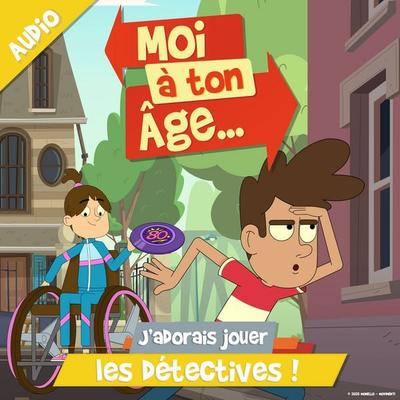
J'adorais jouer les détectives ! - Moi à. ton âge, Audio, 9782385981396J'adorais Jouer Les Détectives ! Von Moi À. Ton Âge, Banijay Kids & Family Audio And Publishing, 978-2-38598-139-6, Sprecher: Marie Nonnenmacher,julien Crampon,kelly Marot,emmanuel Curtil,benjamin Bollen, Sprache: Französisch1,99 €*Versand: 0,00 €Sichere Weiterleitung zum Anbieter

-
Heißt es "jouer au football" oder "jouer du football"?
Es heißt "jouer au football". "Jouer du football" wäre grammatikalisch nicht korrekt. **
-
Heißt es "jouer aux jeux vidéo" oder "jouer des jeux vidéo"?
Es heißt "jouer aux jeux vidéo". Das Verb "jouer" wird im Französischen mit der Präposition "à" verwendet, um auszudrücken, dass man ein Spiel spielt. **
-
Was ist der Unterschied zwischen "jouer du" und "jouer au" auf Französisch?
"Jouer du" wird verwendet, um ein Musikinstrument zu spielen, während "jouer au" verwendet wird, um einen Sport oder ein Spiel zu spielen. Zum Beispiel sagt man "jouer du piano" (Klavier spielen) und "jouer au football" (Fußball spielen). **
-
Comment jouer au foot ?
Pour jouer au foot, il faut d'abord former deux équipes avec un nombre égal de joueurs. Le but du jeu est de marquer des buts en faisant passer le ballon dans le but adverse, en utilisant principalement les pieds. Les règles du jeu incluent des restrictions sur le contact physique et des infractions telles que le hors-jeu et les fautes. **
Wie verwendet man "jouer" und "faire" in Verbindung mit Hobbys?
"Jouer" wird verwendet, um über Hobbys zu sprechen, die man spielt, wie zum Beispiel ein Musikinstrument oder eine Sportart. Zum Beispiel: "Je joue du piano" (Ich spiele Klavier) oder "Je joue au football" (Ich spiele Fußball). "Faire" wird verwendet, um über Hobbys zu sprechen, die man macht oder ausübt, wie zum Beispiel Malen oder Tanzen. Zum Beispiel: "Je fais de la peinture" (Ich male) oder "Je fais de la danse" (Ich tanze). **
Was ist der Unterschied zwischen "jouer à" und "faire de"?
"Jouer à" wird verwendet, um über das Spielen einer bestimmten Aktivität oder eines Spiels zu sprechen, zum Beispiel "jouer au football" (Fußball spielen). "Faire de" hingegen wird verwendet, um über das Ausüben einer bestimmten Aktivität oder eines Hobbys zu sprechen, zum Beispiel "faire du vélo" (Radfahren). Der Unterschied liegt also darin, dass "jouer à" sich auf das Spielen eines Spiels bezieht, während "faire de" sich auf das Ausüben einer Aktivität bezieht. **
Top-Angebote
Produkte zum Begriff Jouer:
-
Haughton, Chris: The History of InformationThe History of Information , A journey through the evolution of knowledge, communication, and information. The debut non-fiction book by best-selling author Chris Haughton. History, as it is often taught, is a list of kings and queens and treaties and events. It presents the what and when, but it rarely asks why. Why is it that we had kings and queens at all? Why then all of a sudden did we abandon them and shift to democracies? Why did the world's religions rise around the same time? Why is society dominated by men? The answers all come down to the same thing: information. The striving to share information, and - at the same time - the striving to undermine it, explains so much of today's world and connects so many seemingly unconnected things: the rise of religions, states, science, democracy, the west, militarism, racism, fascism, consumerism, big tech, polarisation, and AI. This history of information is closely connected to the history of visual communication - and as these two are largely the same - it makes sense to tell this story visually: a history of graphics told through graphics. The History of Information , through a mix of timelines, graphics, and illustrations, clearly breaks down and explains each concept for children and adults alike. The History of Information includes: A beautiful look at the story of information; from the first languages and cave paintings, through to how we communicate and record information today. Content written and illustrated by world famous and multi-award winning author and illustrator, Chris Haughton. A global journey throughout history from the origination of language, how information has been passed on and recorded, and how this affected humanity. , > , Erscheinungsjahr: 20240905, Produktform: Leinen, Autoren: Haughton, Chris, Seitenzahl/Blattzahl: 144, Themenüberschrift: JUVENILE NONFICTION / Technology / How Things Work-Are Made, Keyword: fact books for kids age 10-12; fact book for kids; fact books for kids age 8-10; kids fact books age 9 12; kids fact books; non fiction books for teenagers; non fiction books; general knowledge books; books for kids 9-12; encyclopedia for children; children's encyclopedia; curious minds book for kids; britannica children's encyclopedia; science encyclopedia for kids; children's encyclopedia age 10; non fiction books for kids 9-12; non fiction books for 7 year olds; children's encyclopedia age 7-9; children's history books; kids history books age 7; kids encyclopedia; science books for kids, Fachschema: EDV / Kindersachbuch, Jugendsachbuch~Englische Bücher / Kinderliteratur, Jugendliteratur / Sachbuch~Geschichte / Kindersachbuch, Jugendsachbuch~Technik / Kindersachbuch, Fachkategorie: Kinder/Jugendliche: Sachbuch: Geschichte, Altersempfehlung / Lesealter: 18, ab Alter: 9, bis Alter: 12, Imprint-Titels: DK Children, Warengruppe: HC/Kinderbücher/Sachbücher/Naturwissensch./Technik, UNSPSC: 49019900, Warenverzeichnis für die Außenhandelsstatistik: 49019900, Länge: 286, Breite: 236, Höhe: 22, Gewicht: 1008, Produktform: Gebunden, Genre: Importe,21,97 €*Versand: 0,00 €Sichere Weiterleitung zum Anbieter
-
Wann benutze ich "jouer à" oder "jouer de"?
"Jouer à" wird verwendet, wenn man über das Spielen eines bestimmten Spiels oder Sports spricht. Zum Beispiel: "Je joue au football" (Ich spiele Fußball). "Jouer de" wird verwendet, wenn man über das Spielen eines Musikinstruments spricht. Zum Beispiel: "Je joue du piano" (Ich spiele Klavier). **
-
Wann verwendet man "jouer à" und wann "jouer de"?
Man verwendet "jouer à" wenn man über das Spielen einer Sportart oder eines Spiels spricht, z.B. "jouer au football" (Fußball spielen) oder "jouer aux échecs" (Schach spielen). "Jouer de" wird verwendet, wenn man ein Musikinstrument spielt, z.B. "jouer du piano" (Klavier spielen) oder "jouer de la guitare" (Gitarre spielen). **
-
Heißt es "jouer au football" oder "jouer du football"?
Es heißt "jouer au football". "Jouer du football" wäre grammatikalisch nicht korrekt. **
-
Heißt es "jouer aux jeux vidéo" oder "jouer des jeux vidéo"?
Es heißt "jouer aux jeux vidéo". Das Verb "jouer" wird im Französischen mit der Präposition "à" verwendet, um auszudrücken, dass man ein Spiel spielt. **
Ähnliche Suchbegriffe für Jouer
-
J'adorais jouer les détectives ! - Moi à. ton âge, Audio, 9782385981396J'adorais Jouer Les Détectives ! Von Moi À. Ton Âge, Banijay Kids & Family Audio And Publishing, 978-2-38598-139-6, Sprecher: Marie Nonnenmacher,julien Crampon,kelly Marot,emmanuel Curtil,benjamin Bollen, Sprache: Französisch1,99 €*Versand: 0,00 €Sichere Weiterleitung zum Anbieter
-
Was ist der Unterschied zwischen "jouer du" und "jouer au" auf Französisch?
"Jouer du" wird verwendet, um ein Musikinstrument zu spielen, während "jouer au" verwendet wird, um einen Sport oder ein Spiel zu spielen. Zum Beispiel sagt man "jouer du piano" (Klavier spielen) und "jouer au football" (Fußball spielen). **
-
Comment jouer au foot ?
Pour jouer au foot, il faut d'abord former deux équipes avec un nombre égal de joueurs. Le but du jeu est de marquer des buts en faisant passer le ballon dans le but adverse, en utilisant principalement les pieds. Les règles du jeu incluent des restrictions sur le contact physique et des infractions telles que le hors-jeu et les fautes. **
-
Wie verwendet man "jouer" und "faire" in Verbindung mit Hobbys?
"Jouer" wird verwendet, um über Hobbys zu sprechen, die man spielt, wie zum Beispiel ein Musikinstrument oder eine Sportart. Zum Beispiel: "Je joue du piano" (Ich spiele Klavier) oder "Je joue au football" (Ich spiele Fußball). "Faire" wird verwendet, um über Hobbys zu sprechen, die man macht oder ausübt, wie zum Beispiel Malen oder Tanzen. Zum Beispiel: "Je fais de la peinture" (Ich male) oder "Je fais de la danse" (Ich tanze). **
-
Was ist der Unterschied zwischen "jouer à" und "faire de"?
"Jouer à" wird verwendet, um über das Spielen einer bestimmten Aktivität oder eines Spiels zu sprechen, zum Beispiel "jouer au football" (Fußball spielen). "Faire de" hingegen wird verwendet, um über das Ausüben einer bestimmten Aktivität oder eines Hobbys zu sprechen, zum Beispiel "faire du vélo" (Radfahren). Der Unterschied liegt also darin, dass "jouer à" sich auf das Spielen eines Spiels bezieht, während "faire de" sich auf das Ausüben einer Aktivität bezieht. **
* Alle Preise verstehen sich inklusive der gesetzlichen Mehrwertsteuer und ggf. zuzüglich Versandkosten. Die Angebotsinformationen basieren auf den Angaben des jeweiligen Shops und werden über automatisierte Prozesse aktualisiert. Eine Aktualisierung in Echtzeit findet nicht statt, so dass es im Einzelfall zu Abweichungen kommen kann. ** Hinweis: Teile dieses Inhalts wurden von KI erstellt.