Domain the-recall.de kaufen?
Wir ziehen mit dem Projekt
the-recall.de um.
Sind Sie am Kauf der Domain
the-recall.de interessiert?
domain@kv-gmbh.de · 0541-91531010
Domain the-recall.de kaufen?
Wie lautet das Java-Unterprogramm für die Überprüfung einer Primzahl?
Ein möglicher Ansatz für ein Java-Unterprogramm zur Überprüfung einer Primzahl könnte wie folgt aussehen: ```java public static boolean isPrime(int number) { if (number <= 1) { return false; } for (int i = 2; i <= Math.sqrt(number); i++) { if (number % i == 0) { return false; } } return true; } ``` Dieses Unterprogramm nimmt eine Zahl als Eingabe und überprüft, ob sie eine Primzahl ist. Es prüft zuerst, ob die Zahl kleiner oder gleich 1 ist und gibt in diesem Fall "false" zurück. Dann wird eine Schleife von 2 bis zur Quadratwurzel der Zahl durchlaufen und überprüft, ob die Zahl durch irgendeine dieser Zahlen ohne Rest teilbar ist. Wenn ja, wird "false **
Ist 509 Primzahl?
Nein, 509 ist keine Primzahl, da sie durch mehr als nur 1 und sich selbst teilbar ist. Eine Primzahl ist eine Zahl, die nur durch 1 und sich selbst ohne Rest teilbar ist. In diesem Fall ist 509 durch 13 und 37 teilbar, was bedeutet, dass es keine Primzahl ist. Primzahlen sind wichtig in der Mathematik und haben viele Anwendungen in der Kryptographie und anderen Bereichen. Es gibt unendlich viele Primzahlen, aber 509 gehört nicht dazu. **


Ähnliche Suchbegriffe für Primzahl
Top-Angebote
Produkte zum Begriff Primzahl:
-
Über Die Allgemeinen Reciprocitätsgesetze Den Resten Und Nichtresten Der Potenzen, Deren Grad Eine Primzahl Ist, Gebundene Ausgabe von Ernst EduardÜber Die Allgemeinen Reciprocitätsgesetze Den Resten Und Nichtresten Der Potenzen, Deren Grad Eine Primzahl Ist, Gebundene Ausgabe Von Ernst Eduard Kummer, Legare Street Press, 978-1-01-796087-7, Seitenanzahl: 15237,99 €*Versand: 0,00 €Sichere Weiterleitung zum Anbieter
-
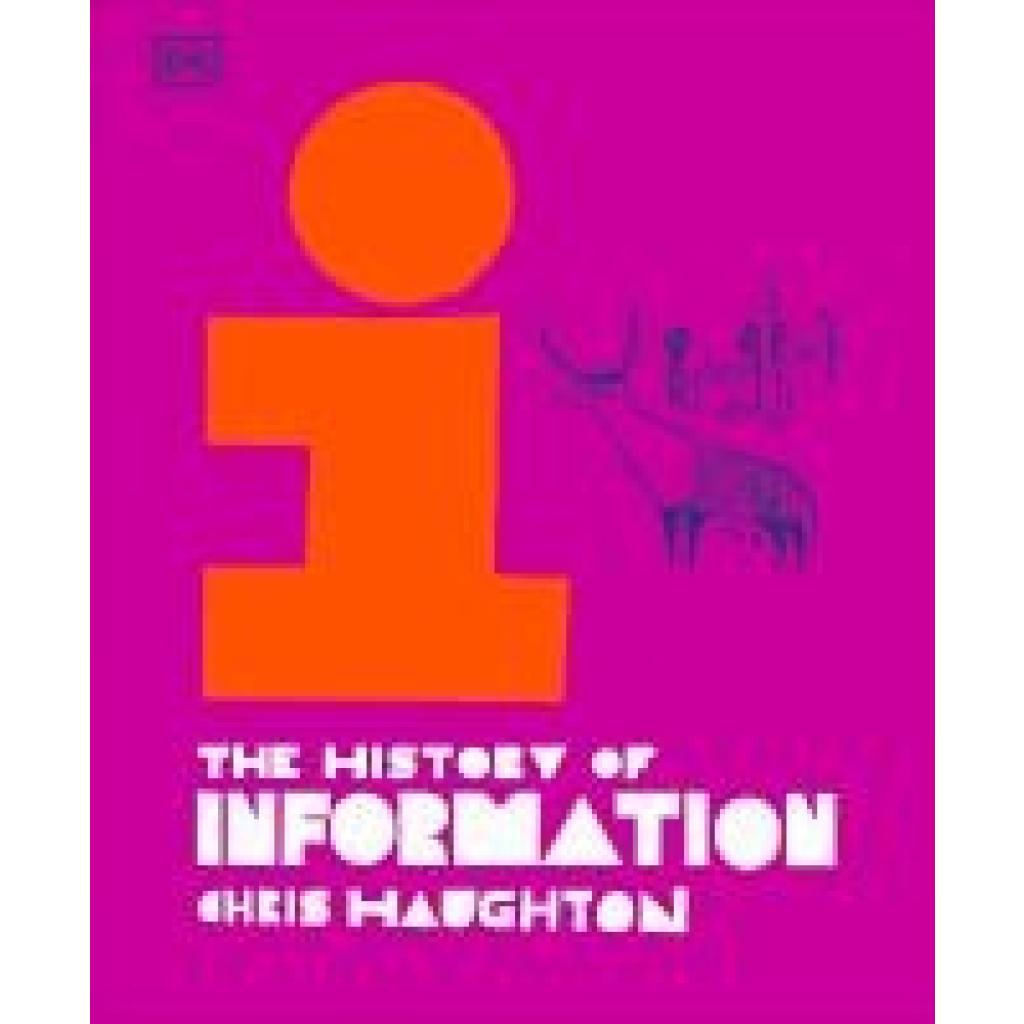
Haughton, Chris: The History of InformationThe History of Information , A journey through the evolution of knowledge, communication, and information. The debut non-fiction book by best-selling author Chris Haughton. History, as it is often taught, is a list of kings and queens and treaties and events. It presents the what and when, but it rarely asks why. Why is it that we had kings and queens at all? Why then all of a sudden did we abandon them and shift to democracies? Why did the world's religions rise around the same time? Why is society dominated by men? The answers all come down to the same thing: information. The striving to share information, and - at the same time - the striving to undermine it, explains so much of today's world and connects so many seemingly unconnected things: the rise of religions, states, science, democracy, the west, militarism, racism, fascism, consumerism, big tech, polarisation, and AI. This history of information is closely connected to the history of visual communication - and as these two are largely the same - it makes sense to tell this story visually: a history of graphics told through graphics. The History of Information , through a mix of timelines, graphics, and illustrations, clearly breaks down and explains each concept for children and adults alike. The History of Information includes: A beautiful look at the story of information; from the first languages and cave paintings, through to how we communicate and record information today. Content written and illustrated by world famous and multi-award winning author and illustrator, Chris Haughton. A global journey throughout history from the origination of language, how information has been passed on and recorded, and how this affected humanity. , > , Erscheinungsjahr: 20240905, Produktform: Leinen, Autoren: Haughton, Chris, Seitenzahl/Blattzahl: 144, Themenüberschrift: JUVENILE NONFICTION / Technology / How Things Work-Are Made, Keyword: fact books for kids age 10-12; fact book for kids; fact books for kids age 8-10; kids fact books age 9 12; kids fact books; non fiction books for teenagers; non fiction books; general knowledge books; books for kids 9-12; encyclopedia for children; children's encyclopedia; curious minds book for kids; britannica children's encyclopedia; science encyclopedia for kids; children's encyclopedia age 10; non fiction books for kids 9-12; non fiction books for 7 year olds; children's encyclopedia age 7-9; children's history books; kids history books age 7; kids encyclopedia; science books for kids, Fachschema: EDV / Kindersachbuch, Jugendsachbuch~Englische Bücher / Kinderliteratur, Jugendliteratur / Sachbuch~Geschichte / Kindersachbuch, Jugendsachbuch~Technik / Kindersachbuch, Fachkategorie: Kinder/Jugendliche: Sachbuch: Geschichte, Altersempfehlung / Lesealter: 18, ab Alter: 9, bis Alter: 12, Imprint-Titels: DK Children, Warengruppe: HC/Kinderbücher/Sachbücher/Naturwissensch./Technik, UNSPSC: 49019900, Warenverzeichnis für die Außenhandelsstatistik: 49019900, Länge: 286, Breite: 236, Höhe: 22, Gewicht: 1008, Produktform: Gebunden, Genre: Importe,21,97 €*Versand: 0,00 €Sichere Weiterleitung zum Anbieter
-
Auf dem Weg zu einem tragfähigen Massenkommunikationsbegriff: Nachricht als vermittelte Mitteilung, Taschenbuch von Ines Kruspel, GRIN,Auf Dem Weg Zu Einem Tragfähigen Massenkommunikationsbegriff: Nachricht Als Vermittelte Mitteilung, Taschenbuch Von Ines Kruspel, Grin, 978-3-640-32562-7, Seitenanzahl: 3217,95 €*Versand: 0,00 €Sichere Weiterleitung zum Anbieter



-
Was ist die kleinste Primzahl? Warum ist die Zahl 1 keine Primzahl?
Die kleinste Primzahl ist die Zahl 2, da sie nur durch sich selbst und 1 teilbar ist. Die Zahl 1 ist keine Primzahl, da sie nur einen Teiler hat (sich selbst) und Primzahlen per Definition mindestens zwei Teiler haben müssen. **
-
Ist 27 eine Primzahl?
Nein, 27 ist keine Primzahl, da es durch 3 ohne Rest teilbar ist. Eine Primzahl ist eine Zahl, die nur durch 1 und sich selbst ohne Rest teilbar ist. **
-
Ist 493 eine Primzahl?
Um herauszufinden, ob 493 eine Primzahl ist, müssen wir prüfen, ob sie nur durch 1 und sich selbst teilbar ist. 493 ist jedoch durch 17 und 29 teilbar, da 17 * 29 = 493. Daher ist 493 keine Primzahl. Primzahlen sind nur Zahlen, die nur durch 1 und sich selbst teilbar sind. Da 493 auch durch andere Zahlen teilbar ist, kann sie nicht als Primzahl betrachtet werden. Man kann also sagen, dass 493 keine Primzahl ist. **
-
Ist 999 eine Primzahl?
Ist 999 eine Primzahl? Nein, 999 ist keine Primzahl, da eine Primzahl nur durch 1 und sich selbst teilbar ist. 999 kann jedoch durch andere Zahlen wie 3, 9, 27, 37 und 111 geteilt werden. Daher ist 999 ein zusammengesetzte Zahl. Primzahlen sind Zahlen wie 2, 3, 5, 7, die nur durch 1 und sich selbst teilbar sind. **

Ist 84 eine Primzahl?
Nein, 84 ist keine Primzahl, da eine Primzahl nur durch 1 und sich selbst teilbar ist. 84 kann jedoch durch andere Zahlen wie 2, 3, 4, 6, 7, 12, 14, 21, 28, 42 und 84 geteilt werden. Eine Primzahl hat nur zwei Teiler, während 84 mehr als zwei Teiler hat. Primzahlen sind beispielsweise 2, 3, 5, 7, 11, 13, 17, 19 usw. 84 ist also keine Primzahl, da es mehr als zwei Teiler hat. **
Ist 2020 eine Primzahl?
Nein, 2020 ist keine Primzahl. Eine Primzahl ist eine natürliche Zahl größer als 1, die nur durch sich selbst und 1 ohne Rest teilbar ist. 2020 kann jedoch durch andere Zahlen außer 1 und sich selbst geteilt werden, wie z.B. 2, 4, 5, 10, 20, 101, 202, usw. Daher ist 2020 keine Primzahl. Primzahlen sind z.B. 2, 3, 5, 7, 11, 13, 17, 19, usw. **
Top-Angebote
Produkte zum Begriff Primzahl:
-
Über Die Allgemeinen Reciprocitätsgesetze Den Resten Und Nichtresten Der Potenzen, Deren Grad Eine Primzahl Ist, Taschenbuch von Ernst Eduard Kummer,Über Die Allgemeinen Reciprocitätsgesetze Den Resten Und Nichtresten Der Potenzen, Deren Grad Eine Primzahl Ist, Taschenbuch Von Ernst Eduard Kummer, Legare Street Press, 978-1-01-796591-9, Seitenanzahl: 15219,99 €*Versand: 0,00 €Sichere Weiterleitung zum Anbieter
-
Über Die Allgemeinen Reciprocitätsgesetze Den Resten Und Nichtresten Der Potenzen, Deren Grad Eine Primzahl Ist, Gebundene Ausgabe von Ernst EduardÜber Die Allgemeinen Reciprocitätsgesetze Den Resten Und Nichtresten Der Potenzen, Deren Grad Eine Primzahl Ist, Gebundene Ausgabe Von Ernst Eduard Kummer, Legare Street Press, 978-1-01-796087-7, Seitenanzahl: 15237,99 €*Versand: 0,00 €Sichere Weiterleitung zum Anbieter
-
Haughton, Chris: The History of InformationThe History of Information , A journey through the evolution of knowledge, communication, and information. The debut non-fiction book by best-selling author Chris Haughton. History, as it is often taught, is a list of kings and queens and treaties and events. It presents the what and when, but it rarely asks why. Why is it that we had kings and queens at all? Why then all of a sudden did we abandon them and shift to democracies? Why did the world's religions rise around the same time? Why is society dominated by men? The answers all come down to the same thing: information. The striving to share information, and - at the same time - the striving to undermine it, explains so much of today's world and connects so many seemingly unconnected things: the rise of religions, states, science, democracy, the west, militarism, racism, fascism, consumerism, big tech, polarisation, and AI. This history of information is closely connected to the history of visual communication - and as these two are largely the same - it makes sense to tell this story visually: a history of graphics told through graphics. The History of Information , through a mix of timelines, graphics, and illustrations, clearly breaks down and explains each concept for children and adults alike. The History of Information includes: A beautiful look at the story of information; from the first languages and cave paintings, through to how we communicate and record information today. Content written and illustrated by world famous and multi-award winning author and illustrator, Chris Haughton. A global journey throughout history from the origination of language, how information has been passed on and recorded, and how this affected humanity. , > , Erscheinungsjahr: 20240905, Produktform: Leinen, Autoren: Haughton, Chris, Seitenzahl/Blattzahl: 144, Themenüberschrift: JUVENILE NONFICTION / Technology / How Things Work-Are Made, Keyword: fact books for kids age 10-12; fact book for kids; fact books for kids age 8-10; kids fact books age 9 12; kids fact books; non fiction books for teenagers; non fiction books; general knowledge books; books for kids 9-12; encyclopedia for children; children's encyclopedia; curious minds book for kids; britannica children's encyclopedia; science encyclopedia for kids; children's encyclopedia age 10; non fiction books for kids 9-12; non fiction books for 7 year olds; children's encyclopedia age 7-9; children's history books; kids history books age 7; kids encyclopedia; science books for kids, Fachschema: EDV / Kindersachbuch, Jugendsachbuch~Englische Bücher / Kinderliteratur, Jugendliteratur / Sachbuch~Geschichte / Kindersachbuch, Jugendsachbuch~Technik / Kindersachbuch, Fachkategorie: Kinder/Jugendliche: Sachbuch: Geschichte, Altersempfehlung / Lesealter: 18, ab Alter: 9, bis Alter: 12, Imprint-Titels: DK Children, Warengruppe: HC/Kinderbücher/Sachbücher/Naturwissensch./Technik, UNSPSC: 49019900, Warenverzeichnis für die Außenhandelsstatistik: 49019900, Länge: 286, Breite: 236, Höhe: 22, Gewicht: 1008, Produktform: Gebunden, Genre: Importe,21,97 €*Versand: 0,00 €Sichere Weiterleitung zum Anbieter
-
Wie lautet das Java-Unterprogramm für die Überprüfung einer Primzahl?
Ein möglicher Ansatz für ein Java-Unterprogramm zur Überprüfung einer Primzahl könnte wie folgt aussehen: ```java public static boolean isPrime(int number) { if (number <= 1) { return false; } for (int i = 2; i <= Math.sqrt(number); i++) { if (number % i == 0) { return false; } } return true; } ``` Dieses Unterprogramm nimmt eine Zahl als Eingabe und überprüft, ob sie eine Primzahl ist. Es prüft zuerst, ob die Zahl kleiner oder gleich 1 ist und gibt in diesem Fall "false" zurück. Dann wird eine Schleife von 2 bis zur Quadratwurzel der Zahl durchlaufen und überprüft, ob die Zahl durch irgendeine dieser Zahlen ohne Rest teilbar ist. Wenn ja, wird "false **
-
Ist 509 Primzahl?
Nein, 509 ist keine Primzahl, da sie durch mehr als nur 1 und sich selbst teilbar ist. Eine Primzahl ist eine Zahl, die nur durch 1 und sich selbst ohne Rest teilbar ist. In diesem Fall ist 509 durch 13 und 37 teilbar, was bedeutet, dass es keine Primzahl ist. Primzahlen sind wichtig in der Mathematik und haben viele Anwendungen in der Kryptographie und anderen Bereichen. Es gibt unendlich viele Primzahlen, aber 509 gehört nicht dazu. **
-
Was ist die kleinste Primzahl? Warum ist die Zahl 1 keine Primzahl?
Die kleinste Primzahl ist die Zahl 2, da sie nur durch sich selbst und 1 teilbar ist. Die Zahl 1 ist keine Primzahl, da sie nur einen Teiler hat (sich selbst) und Primzahlen per Definition mindestens zwei Teiler haben müssen. **
-
Ist 27 eine Primzahl?
Nein, 27 ist keine Primzahl, da es durch 3 ohne Rest teilbar ist. Eine Primzahl ist eine Zahl, die nur durch 1 und sich selbst ohne Rest teilbar ist. **
Ähnliche Suchbegriffe für Primzahl
-
Auf dem Weg zu einem tragfähigen Massenkommunikationsbegriff: Nachricht als vermittelte Mitteilung, Taschenbuch von Ines Kruspel, GRIN,Auf Dem Weg Zu Einem Tragfähigen Massenkommunikationsbegriff: Nachricht Als Vermittelte Mitteilung, Taschenbuch Von Ines Kruspel, Grin, 978-3-640-32562-7, Seitenanzahl: 3217,95 €*Versand: 0,00 €Sichere Weiterleitung zum Anbieter
-
Ist 493 eine Primzahl?
Um herauszufinden, ob 493 eine Primzahl ist, müssen wir prüfen, ob sie nur durch 1 und sich selbst teilbar ist. 493 ist jedoch durch 17 und 29 teilbar, da 17 * 29 = 493. Daher ist 493 keine Primzahl. Primzahlen sind nur Zahlen, die nur durch 1 und sich selbst teilbar sind. Da 493 auch durch andere Zahlen teilbar ist, kann sie nicht als Primzahl betrachtet werden. Man kann also sagen, dass 493 keine Primzahl ist. **
-
Ist 999 eine Primzahl?
Ist 999 eine Primzahl? Nein, 999 ist keine Primzahl, da eine Primzahl nur durch 1 und sich selbst teilbar ist. 999 kann jedoch durch andere Zahlen wie 3, 9, 27, 37 und 111 geteilt werden. Daher ist 999 ein zusammengesetzte Zahl. Primzahlen sind Zahlen wie 2, 3, 5, 7, die nur durch 1 und sich selbst teilbar sind. **
-
Ist 84 eine Primzahl?
Nein, 84 ist keine Primzahl, da eine Primzahl nur durch 1 und sich selbst teilbar ist. 84 kann jedoch durch andere Zahlen wie 2, 3, 4, 6, 7, 12, 14, 21, 28, 42 und 84 geteilt werden. Eine Primzahl hat nur zwei Teiler, während 84 mehr als zwei Teiler hat. Primzahlen sind beispielsweise 2, 3, 5, 7, 11, 13, 17, 19 usw. 84 ist also keine Primzahl, da es mehr als zwei Teiler hat. **
-
Ist 2020 eine Primzahl?
Nein, 2020 ist keine Primzahl. Eine Primzahl ist eine natürliche Zahl größer als 1, die nur durch sich selbst und 1 ohne Rest teilbar ist. 2020 kann jedoch durch andere Zahlen außer 1 und sich selbst geteilt werden, wie z.B. 2, 4, 5, 10, 20, 101, 202, usw. Daher ist 2020 keine Primzahl. Primzahlen sind z.B. 2, 3, 5, 7, 11, 13, 17, 19, usw. **
* Alle Preise verstehen sich inklusive der gesetzlichen Mehrwertsteuer und ggf. zuzüglich Versandkosten. Die Angebotsinformationen basieren auf den Angaben des jeweiligen Shops und werden über automatisierte Prozesse aktualisiert. Eine Aktualisierung in Echtzeit findet nicht statt, so dass es im Einzelfall zu Abweichungen kommen kann. ** Hinweis: Teile dieses Inhalts wurden von KI erstellt.