Domain the-recall.de kaufen?
Wir ziehen mit dem Projekt
the-recall.de um.
Sind Sie am Kauf der Domain
the-recall.de interessiert?
domain@kv-gmbh.de · 0541-91531010
Domain the-recall.de kaufen?
Wie unterscheidet sich natürliches Uran von angereichertem Uran?
Natürliches Uran besteht hauptsächlich aus dem Isotop Uran-238, während angereichertes Uran einen höheren Anteil an Uran-235 enthält. Uran-235 ist das Isotop, das für die Kernspaltung verwendet werden kann. Die Anreicherung von Uran erfolgt durch verschiedene Verfahren, um den Anteil von Uran-235 zu erhöhen. **
Warum wird Uran-235 anstelle von Uran-238 verwendet?
Uran-235 wird anstelle von Uran-238 in Kernreaktoren verwendet, da es eine höhere Spaltbarkeit aufweist. Das bedeutet, dass es leichter durch Neutronen gespalten werden kann und somit eine Kettenreaktion aufrechterhalten werden kann. Uran-235 ist auch in geringeren Mengen in natürlichem Uran vorhanden, während Uran-238 das häufigste Isotop ist. **


Ähnliche Suchbegriffe für Uran
Top-Angebote
Produkte zum Begriff Uran:
-
The Recall, DVDDie Fünf Freunde Brendan, Charlie, Rob, Annie Und Kara Fahren Für Ein Paar Tage Urlaub Zu Einer Waldhütte Nahe Eines Abgelegenen Sees. Sie Haben Eigentlich Ein Paar Entspannte Tage Im Sinn, Doch Vor Ort Stoßen Sie Auf Einige Merkwürdige Dinge....15,99 €*Versand: 2,95 €Sichere Weiterleitung zum Anbieter
-
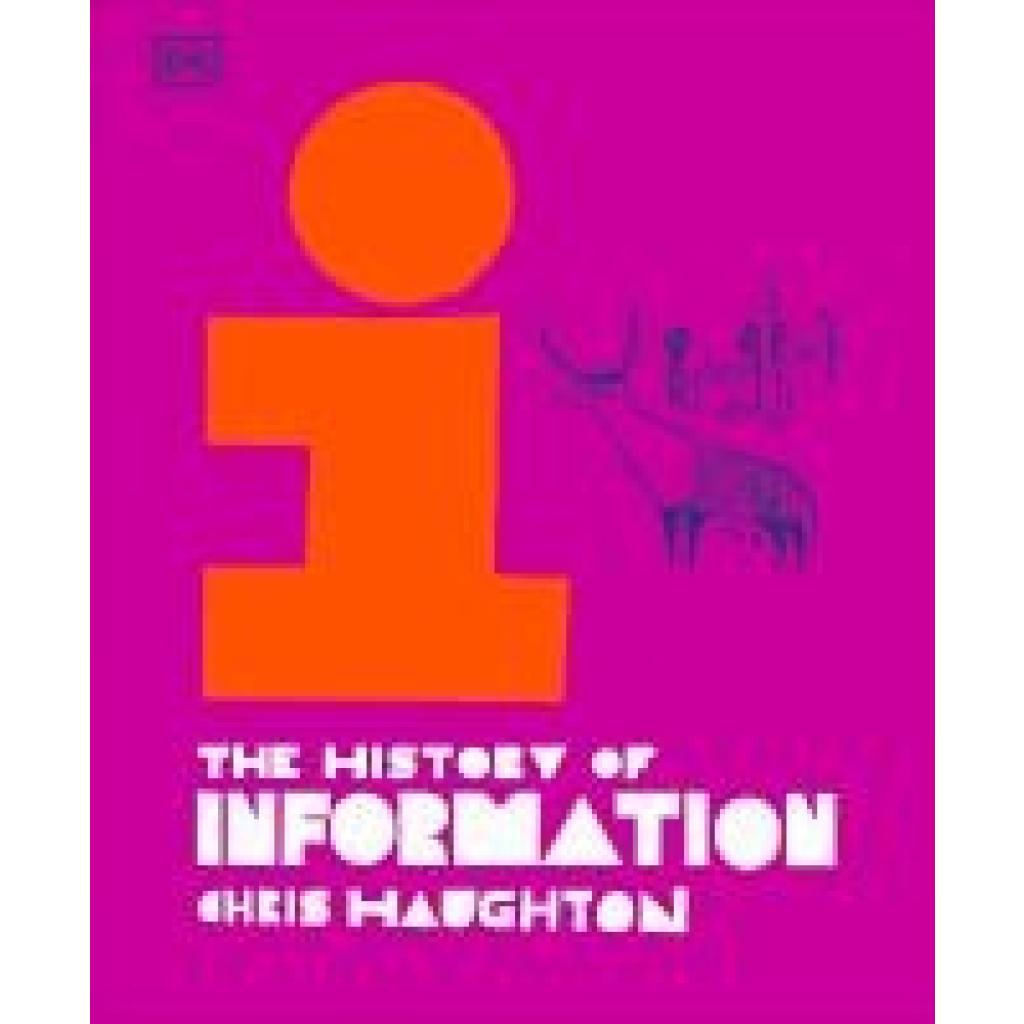
Haughton, Chris: The History of InformationThe History of Information , A journey through the evolution of knowledge, communication, and information. The debut non-fiction book by best-selling author Chris Haughton. History, as it is often taught, is a list of kings and queens and treaties and events. It presents the what and when, but it rarely asks why. Why is it that we had kings and queens at all? Why then all of a sudden did we abandon them and shift to democracies? Why did the world's religions rise around the same time? Why is society dominated by men? The answers all come down to the same thing: information. The striving to share information, and - at the same time - the striving to undermine it, explains so much of today's world and connects so many seemingly unconnected things: the rise of religions, states, science, democracy, the west, militarism, racism, fascism, consumerism, big tech, polarisation, and AI. This history of information is closely connected to the history of visual communication - and as these two are largely the same - it makes sense to tell this story visually: a history of graphics told through graphics. The History of Information , through a mix of timelines, graphics, and illustrations, clearly breaks down and explains each concept for children and adults alike. The History of Information includes: A beautiful look at the story of information; from the first languages and cave paintings, through to how we communicate and record information today. Content written and illustrated by world famous and multi-award winning author and illustrator, Chris Haughton. A global journey throughout history from the origination of language, how information has been passed on and recorded, and how this affected humanity. , > , Erscheinungsjahr: 20240905, Produktform: Leinen, Autoren: Haughton, Chris, Seitenzahl/Blattzahl: 144, Themenüberschrift: JUVENILE NONFICTION / Technology / How Things Work-Are Made, Keyword: fact books for kids age 10-12; fact book for kids; fact books for kids age 8-10; kids fact books age 9 12; kids fact books; non fiction books for teenagers; non fiction books; general knowledge books; books for kids 9-12; encyclopedia for children; children's encyclopedia; curious minds book for kids; britannica children's encyclopedia; science encyclopedia for kids; children's encyclopedia age 10; non fiction books for kids 9-12; non fiction books for 7 year olds; children's encyclopedia age 7-9; children's history books; kids history books age 7; kids encyclopedia; science books for kids, Fachschema: EDV / Kindersachbuch, Jugendsachbuch~Englische Bücher / Kinderliteratur, Jugendliteratur / Sachbuch~Geschichte / Kindersachbuch, Jugendsachbuch~Technik / Kindersachbuch, Fachkategorie: Kinder/Jugendliche: Sachbuch: Geschichte, Altersempfehlung / Lesealter: 18, ab Alter: 9, bis Alter: 12, Imprint-Titels: DK Children, Warengruppe: HC/Kinderbücher/Sachbücher/Naturwissensch./Technik, UNSPSC: 49019900, Warenverzeichnis für die Außenhandelsstatistik: 49019900, Länge: 286, Breite: 236, Höhe: 22, Gewicht: 1008, Produktform: Gebunden, Genre: Importe,21,97 €*Versand: 0,00 €Sichere Weiterleitung zum Anbieter



-
Warum wird Uran-235 anstelle von Uran-238 verwendet?
Uran-235 wird anstelle von Uran-238 in Kernreaktoren verwendet, da es ein spaltbares Isotop ist, das leichter in eine Kettenreaktion eingehen kann. Uran-238 ist hingegen nicht spaltbar und muss zuerst in Plutonium-239 umgewandelt werden, um als Brennstoff verwendet werden zu können. Uran-235 ist auch in geringeren Mengen in natürlichem Uran vorhanden, was die Gewinnung erleichtert. **
-
Was ist der Unterschied zwischen Uran 238 und Uran 235?
Der Hauptunterschied zwischen Uran 238 und Uran 235 liegt in ihrer Atommasse. Uran 238 hat eine Atommasse von 238,02891 u, während Uran 235 eine Atommasse von 235,04393 u hat. Aufgrund dieses Unterschieds können sie unterschiedlich in Kernreaktionen reagieren, insbesondere in der Kernspaltung, was für die Nutzung in Kernkraftwerken von Bedeutung ist. **
-
Was sind die Isotope von Uran-235 und Uran-238?
Die Isotope von Uran-235 und Uran-238 sind beide Uran-Isotope, die sich in ihrer Anzahl der Neutronen unterscheiden. Uran-235 hat 92 Protonen und 143 Neutronen, während Uran-238 92 Protonen und 146 Neutronen hat. **
-
Wie schmeckt Uran?
Uran ist ein radioaktives Metall und hat keinen Geschmack. Es ist nicht empfehlenswert, Uran zu probieren, da es gesundheitsschädlich ist und schwere gesundheitliche Probleme verursachen kann. **

Warum strahlt Uran?
Uran strahlt aufgrund seiner radioaktiven Eigenschaften. Das bedeutet, dass die Atomkerne von Uran instabil sind und sich spontan in andere Elemente umwandeln, wobei Energie freigesetzt wird. Diese Energie manifestiert sich in Form von Strahlung, die als Alpha-, Beta- und Gammastrahlung bezeichnet wird. Diese Strahlung kann sowohl schädlich als auch nützlich sein, je nachdem, wie sie kontrolliert und genutzt wird. In Kernreaktoren wird die Energie der Uranstrahlung beispielsweise genutzt, um Elektrizität zu erzeugen. **
Wo entsteht Uran?
Uran entsteht hauptsächlich in Supernova-Explosionen, die am Ende des Lebenszyklus von massereichen Sternen auftreten. Während einer Supernova werden Elemente durch Kernfusion und Neutroneneinfangprozesse erzeugt, darunter auch Uran. Diese Prozesse finden in den extremen Bedingungen des explodierenden Sterns statt. Nach der Supernova-Explosion werden die neu entstandenen Elemente in den interstellaren Raum freigesetzt, wo sie sich mit anderen Materieansammlungen vermischen und schließlich in neuen Sternen und Planeten, wie der Erde, eingebaut werden. Daher stammt das Uran auf der Erde letztendlich aus solchen Supernova-Ereignissen. **
Top-Angebote
Produkte zum Begriff Uran:
-
The Recall, DVDDie Fünf Freunde Brendan, Charlie, Rob, Annie Und Kara Fahren Für Ein Paar Tage Urlaub Zu Einer Waldhütte Nahe Eines Abgelegenen Sees. Sie Haben Eigentlich Ein Paar Entspannte Tage Im Sinn, Doch Vor Ort Stoßen Sie Auf Einige Merkwürdige Dinge....15,99 €*Versand: 2,95 €Sichere Weiterleitung zum Anbieter
-
Haughton, Chris: The History of InformationThe History of Information , A journey through the evolution of knowledge, communication, and information. The debut non-fiction book by best-selling author Chris Haughton. History, as it is often taught, is a list of kings and queens and treaties and events. It presents the what and when, but it rarely asks why. Why is it that we had kings and queens at all? Why then all of a sudden did we abandon them and shift to democracies? Why did the world's religions rise around the same time? Why is society dominated by men? The answers all come down to the same thing: information. The striving to share information, and - at the same time - the striving to undermine it, explains so much of today's world and connects so many seemingly unconnected things: the rise of religions, states, science, democracy, the west, militarism, racism, fascism, consumerism, big tech, polarisation, and AI. This history of information is closely connected to the history of visual communication - and as these two are largely the same - it makes sense to tell this story visually: a history of graphics told through graphics. The History of Information , through a mix of timelines, graphics, and illustrations, clearly breaks down and explains each concept for children and adults alike. The History of Information includes: A beautiful look at the story of information; from the first languages and cave paintings, through to how we communicate and record information today. Content written and illustrated by world famous and multi-award winning author and illustrator, Chris Haughton. A global journey throughout history from the origination of language, how information has been passed on and recorded, and how this affected humanity. , > , Erscheinungsjahr: 20240905, Produktform: Leinen, Autoren: Haughton, Chris, Seitenzahl/Blattzahl: 144, Themenüberschrift: JUVENILE NONFICTION / Technology / How Things Work-Are Made, Keyword: fact books for kids age 10-12; fact book for kids; fact books for kids age 8-10; kids fact books age 9 12; kids fact books; non fiction books for teenagers; non fiction books; general knowledge books; books for kids 9-12; encyclopedia for children; children's encyclopedia; curious minds book for kids; britannica children's encyclopedia; science encyclopedia for kids; children's encyclopedia age 10; non fiction books for kids 9-12; non fiction books for 7 year olds; children's encyclopedia age 7-9; children's history books; kids history books age 7; kids encyclopedia; science books for kids, Fachschema: EDV / Kindersachbuch, Jugendsachbuch~Englische Bücher / Kinderliteratur, Jugendliteratur / Sachbuch~Geschichte / Kindersachbuch, Jugendsachbuch~Technik / Kindersachbuch, Fachkategorie: Kinder/Jugendliche: Sachbuch: Geschichte, Altersempfehlung / Lesealter: 18, ab Alter: 9, bis Alter: 12, Imprint-Titels: DK Children, Warengruppe: HC/Kinderbücher/Sachbücher/Naturwissensch./Technik, UNSPSC: 49019900, Warenverzeichnis für die Außenhandelsstatistik: 49019900, Länge: 286, Breite: 236, Höhe: 22, Gewicht: 1008, Produktform: Gebunden, Genre: Importe,21,97 €*Versand: 0,00 €Sichere Weiterleitung zum Anbieter
-
Wie unterscheidet sich natürliches Uran von angereichertem Uran?
Natürliches Uran besteht hauptsächlich aus dem Isotop Uran-238, während angereichertes Uran einen höheren Anteil an Uran-235 enthält. Uran-235 ist das Isotop, das für die Kernspaltung verwendet werden kann. Die Anreicherung von Uran erfolgt durch verschiedene Verfahren, um den Anteil von Uran-235 zu erhöhen. **
-
Warum wird Uran-235 anstelle von Uran-238 verwendet?
Uran-235 wird anstelle von Uran-238 in Kernreaktoren verwendet, da es eine höhere Spaltbarkeit aufweist. Das bedeutet, dass es leichter durch Neutronen gespalten werden kann und somit eine Kettenreaktion aufrechterhalten werden kann. Uran-235 ist auch in geringeren Mengen in natürlichem Uran vorhanden, während Uran-238 das häufigste Isotop ist. **
-
Warum wird Uran-235 anstelle von Uran-238 verwendet?
Uran-235 wird anstelle von Uran-238 in Kernreaktoren verwendet, da es ein spaltbares Isotop ist, das leichter in eine Kettenreaktion eingehen kann. Uran-238 ist hingegen nicht spaltbar und muss zuerst in Plutonium-239 umgewandelt werden, um als Brennstoff verwendet werden zu können. Uran-235 ist auch in geringeren Mengen in natürlichem Uran vorhanden, was die Gewinnung erleichtert. **
-
Was ist der Unterschied zwischen Uran 238 und Uran 235?
Der Hauptunterschied zwischen Uran 238 und Uran 235 liegt in ihrer Atommasse. Uran 238 hat eine Atommasse von 238,02891 u, während Uran 235 eine Atommasse von 235,04393 u hat. Aufgrund dieses Unterschieds können sie unterschiedlich in Kernreaktionen reagieren, insbesondere in der Kernspaltung, was für die Nutzung in Kernkraftwerken von Bedeutung ist. **
Ähnliche Suchbegriffe für Uran
-
Was sind die Isotope von Uran-235 und Uran-238?
Die Isotope von Uran-235 und Uran-238 sind beide Uran-Isotope, die sich in ihrer Anzahl der Neutronen unterscheiden. Uran-235 hat 92 Protonen und 143 Neutronen, während Uran-238 92 Protonen und 146 Neutronen hat. **
-
Wie schmeckt Uran?
Uran ist ein radioaktives Metall und hat keinen Geschmack. Es ist nicht empfehlenswert, Uran zu probieren, da es gesundheitsschädlich ist und schwere gesundheitliche Probleme verursachen kann. **
-
Warum strahlt Uran?
Uran strahlt aufgrund seiner radioaktiven Eigenschaften. Das bedeutet, dass die Atomkerne von Uran instabil sind und sich spontan in andere Elemente umwandeln, wobei Energie freigesetzt wird. Diese Energie manifestiert sich in Form von Strahlung, die als Alpha-, Beta- und Gammastrahlung bezeichnet wird. Diese Strahlung kann sowohl schädlich als auch nützlich sein, je nachdem, wie sie kontrolliert und genutzt wird. In Kernreaktoren wird die Energie der Uranstrahlung beispielsweise genutzt, um Elektrizität zu erzeugen. **
-
Wo entsteht Uran?
Uran entsteht hauptsächlich in Supernova-Explosionen, die am Ende des Lebenszyklus von massereichen Sternen auftreten. Während einer Supernova werden Elemente durch Kernfusion und Neutroneneinfangprozesse erzeugt, darunter auch Uran. Diese Prozesse finden in den extremen Bedingungen des explodierenden Sterns statt. Nach der Supernova-Explosion werden die neu entstandenen Elemente in den interstellaren Raum freigesetzt, wo sie sich mit anderen Materieansammlungen vermischen und schließlich in neuen Sternen und Planeten, wie der Erde, eingebaut werden. Daher stammt das Uran auf der Erde letztendlich aus solchen Supernova-Ereignissen. **
* Alle Preise verstehen sich inklusive der gesetzlichen Mehrwertsteuer und ggf. zuzüglich Versandkosten. Die Angebotsinformationen basieren auf den Angaben des jeweiligen Shops und werden über automatisierte Prozesse aktualisiert. Eine Aktualisierung in Echtzeit findet nicht statt, so dass es im Einzelfall zu Abweichungen kommen kann. ** Hinweis: Teile dieses Inhalts wurden von KI erstellt.